Beyond the Blocks: Why Play is the Most Important “Work” Your Child Does
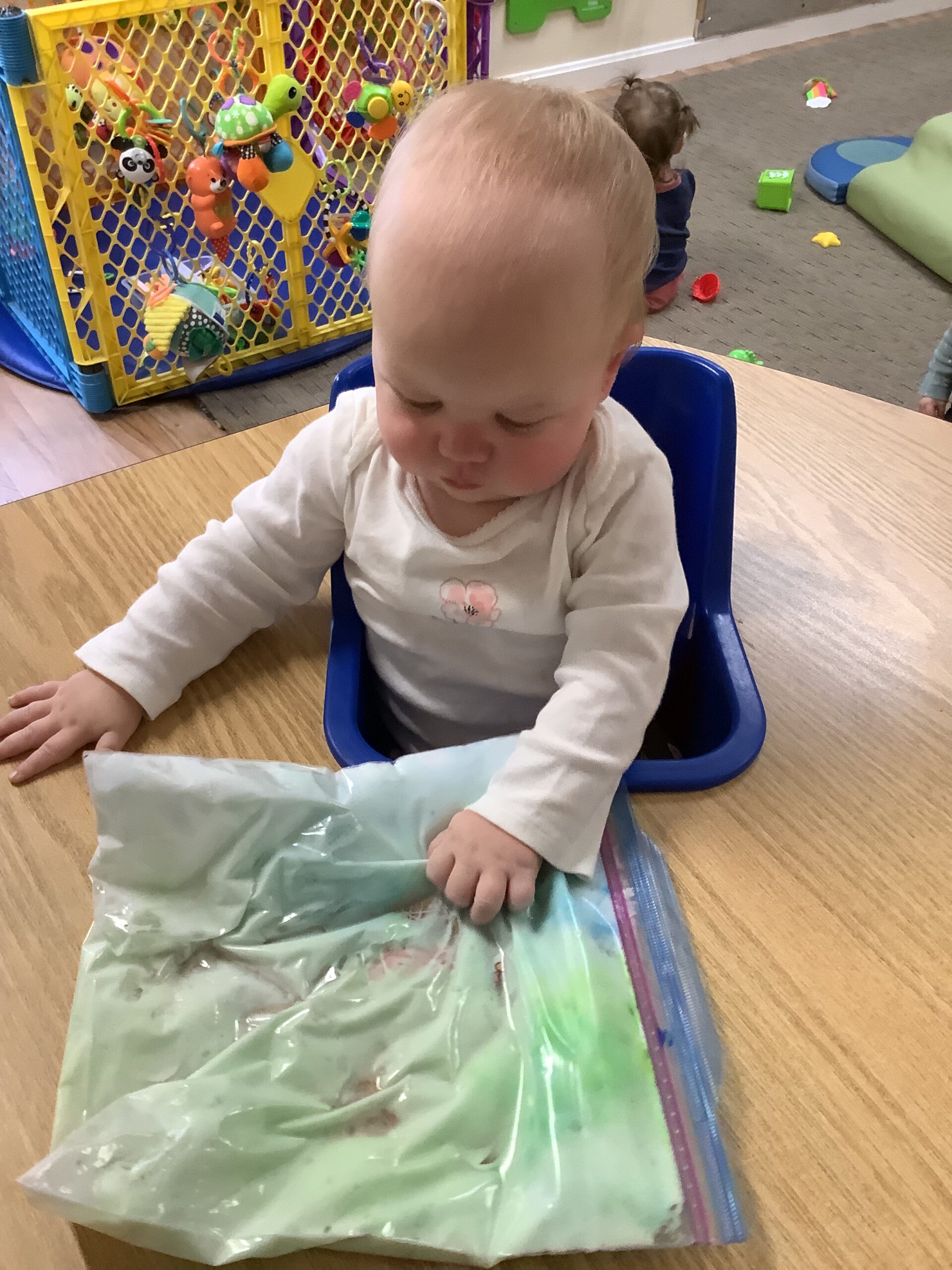
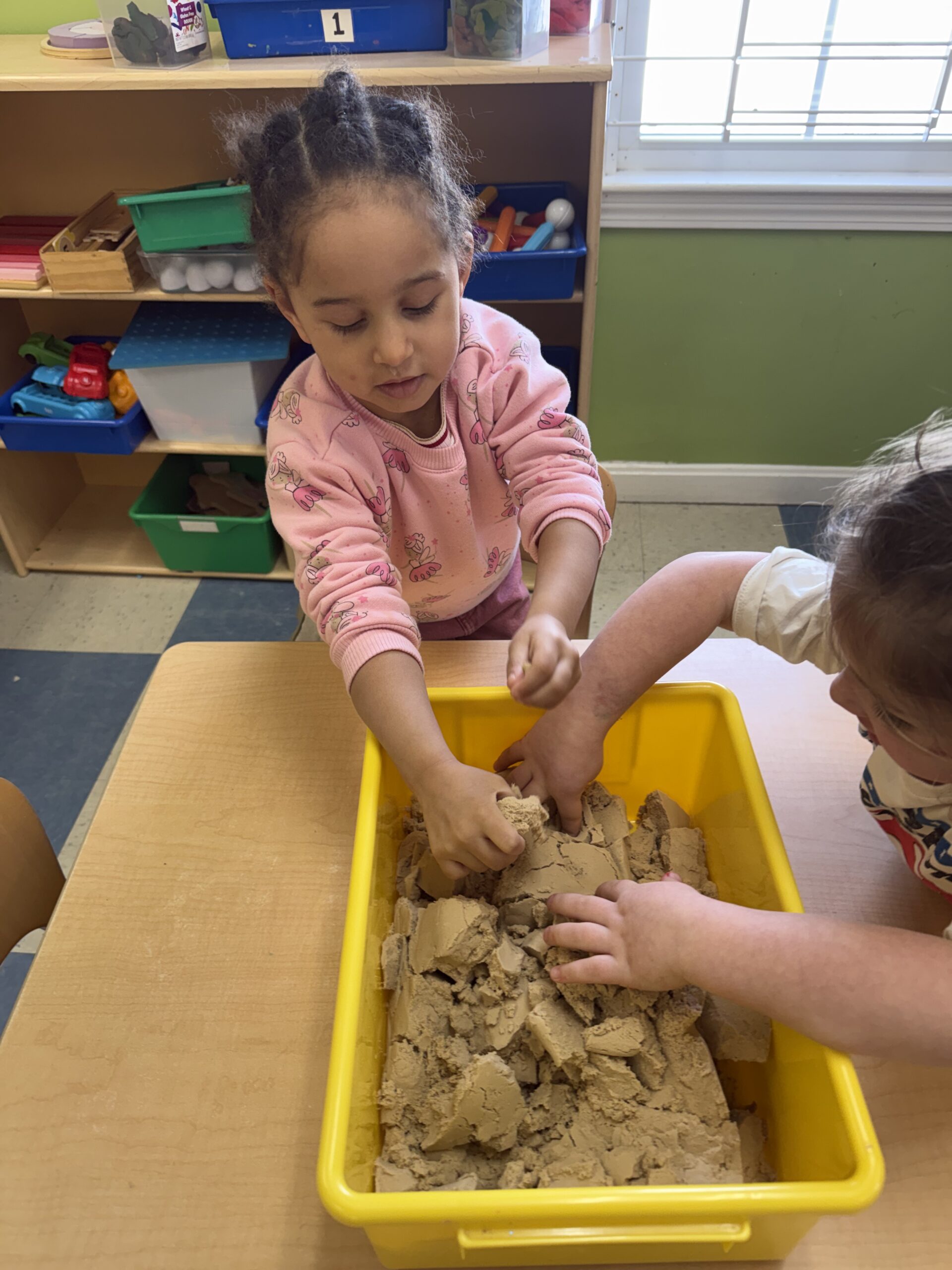
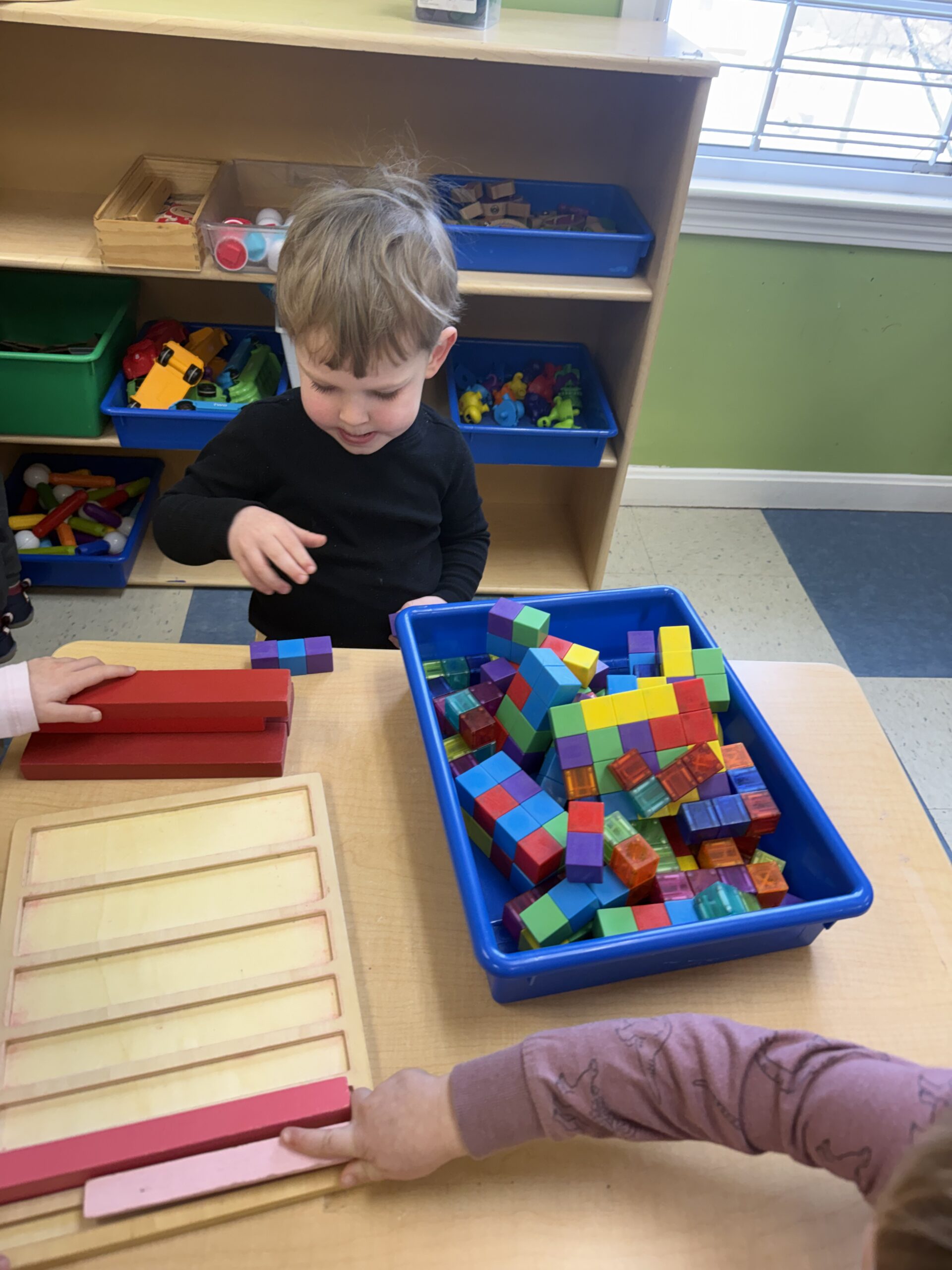
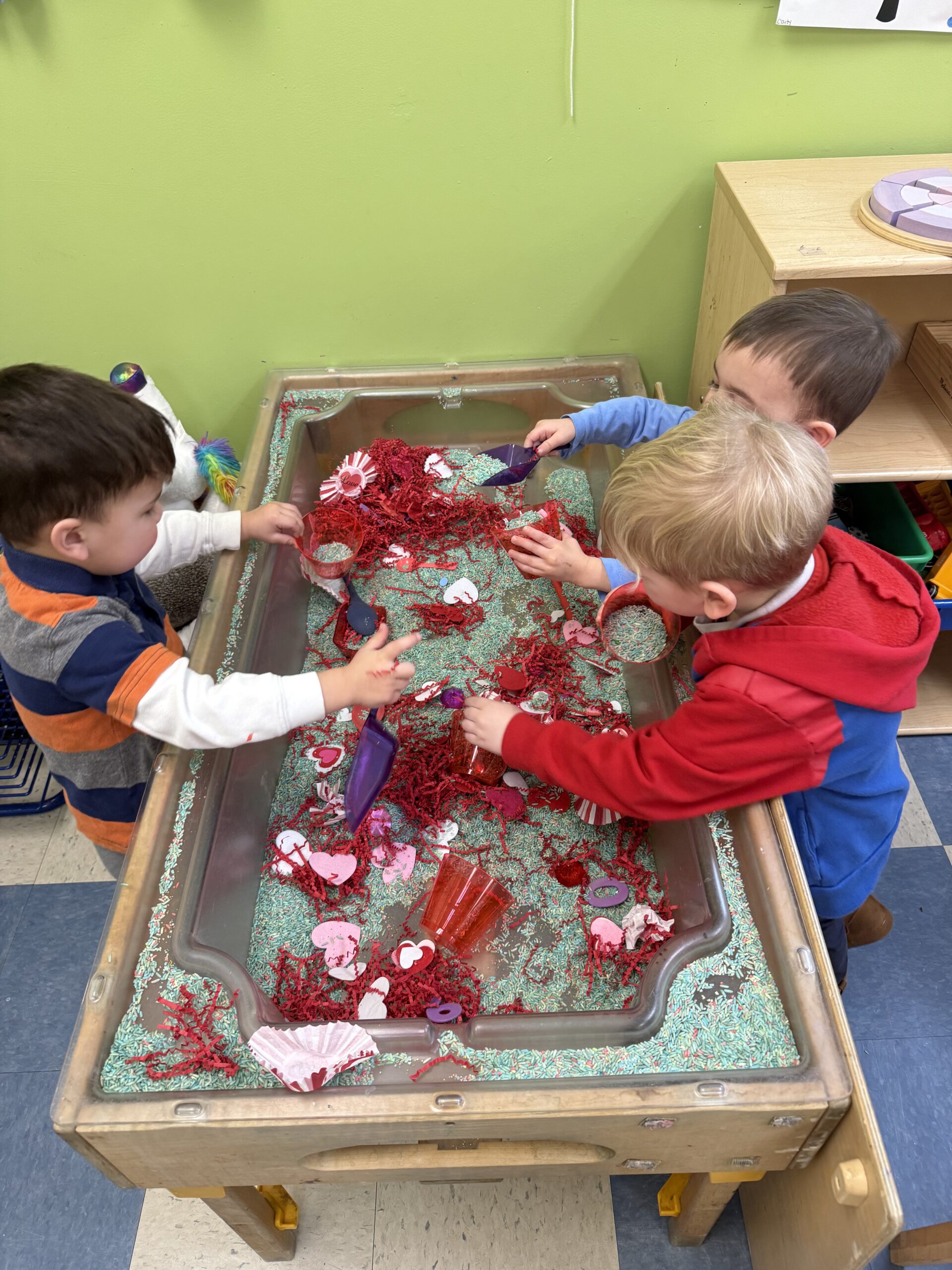
If you walk into a classroom at the Early Childhood School of Georgetown on any given morning, you might see a group of toddlers deeply focused on a water table, a few preschoolers “performing” a play in the dramatic arts corner, or a child carefully stacking wooden blocks to build a skyscraper.
To the casual observer, it looks like simple fun. But to an early childhood educator, these play-based learning moments are the gold standard.
What is Play-Based Learning?
A play-based learning approach treats a child’s natural curiosity as the primary driver for education. Instead of sitting at desks with worksheets, children engage with materials and peers in a way that feels organic.
Here is why this approach is so vital for the “whole child” development we prioritize in our Georgetown community.




1. Social-Emotional Intelligence
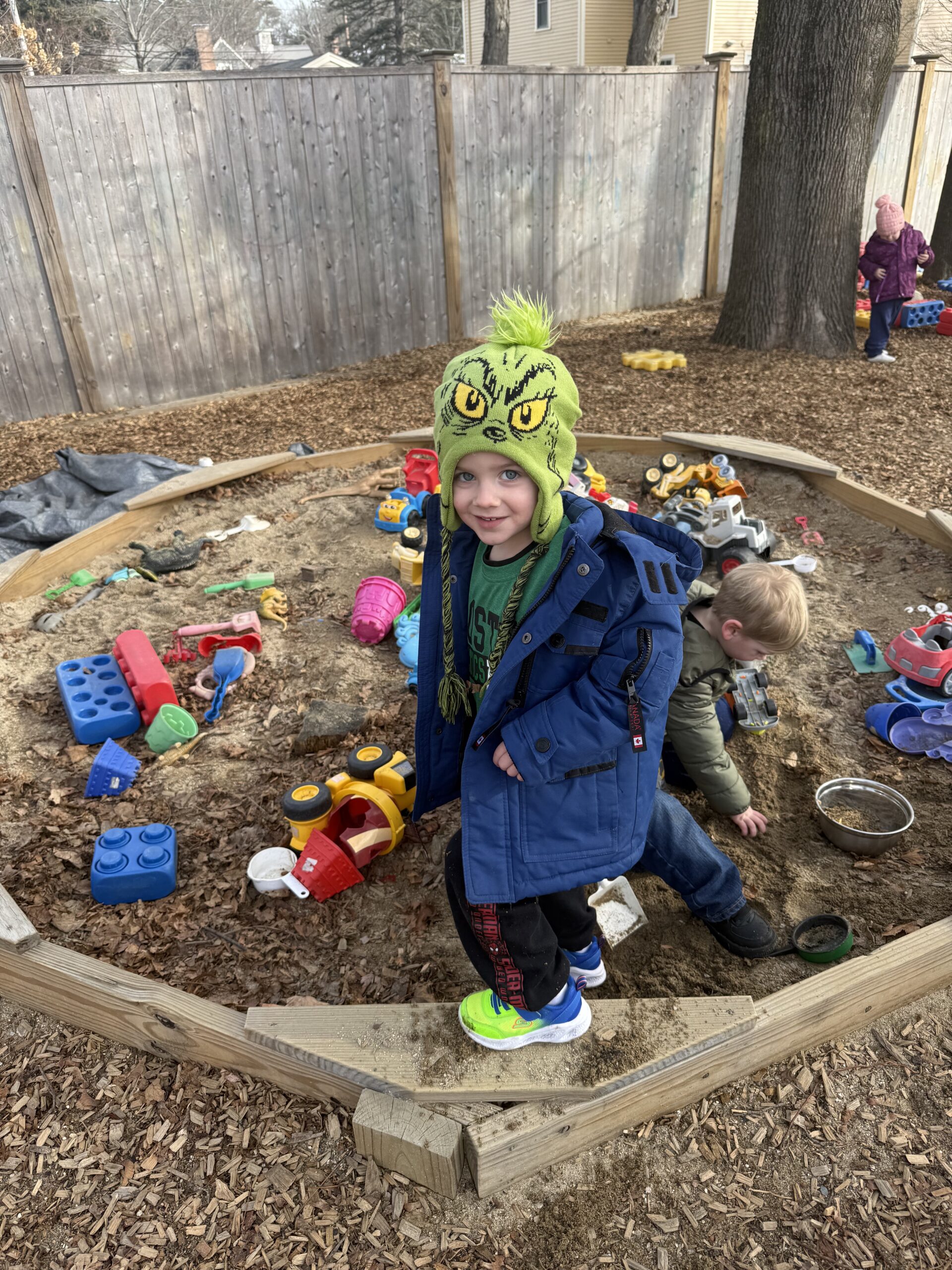
When children play together, they are navigating the complex world of human relationships. They are learning how to share a bucket, how to negotiate who gets to be the chef in the play kitchen, and how to empathize when a friend’s block tower falls. These are the soft skills that form the foundation of a successful life.
2. Cognitive Development & Problem Solving
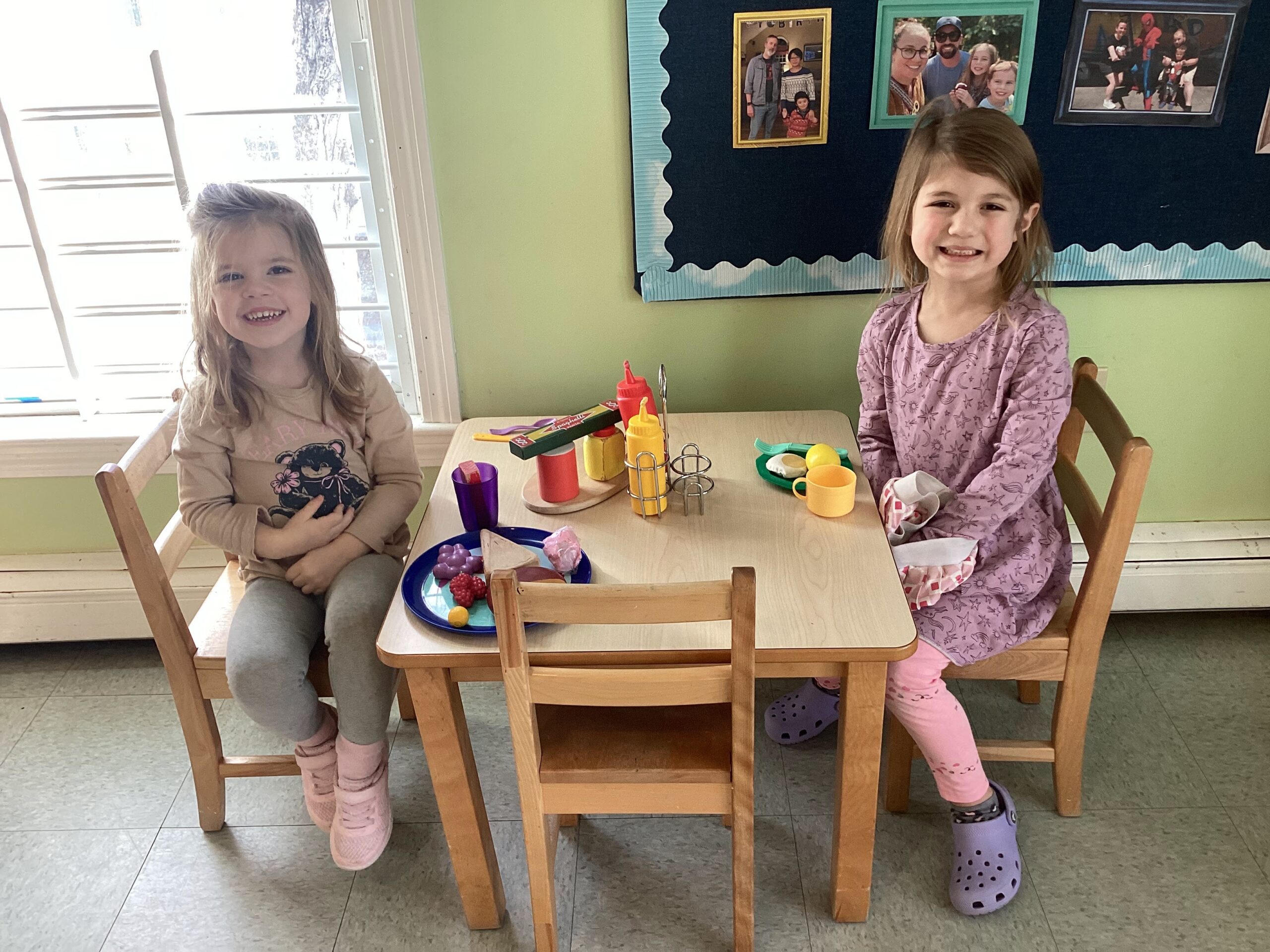
Have you ever watched a child try to figure out why a square block won’t stay balanced on a round one? That is physics in its purest form. Playing challenges children to hypothesize, test, and find solutions. Whether they are sorting colored beads (early math) or describing a drawing they just made (early literacy), they are building the neural pathways required for complex academic work later on.

3. Language and Communication
Play is the ultimate vocabulary builder. In a play-based environment, children aren’t just listening to a teacher talk; they are actively using words to express their needs and ideas. “Can I have the blue shovel?” or “Let’s pretend we are going to the moon!” are phrases that build sentence structure and confidence in real-time.
4. Physical Growth & Coordination
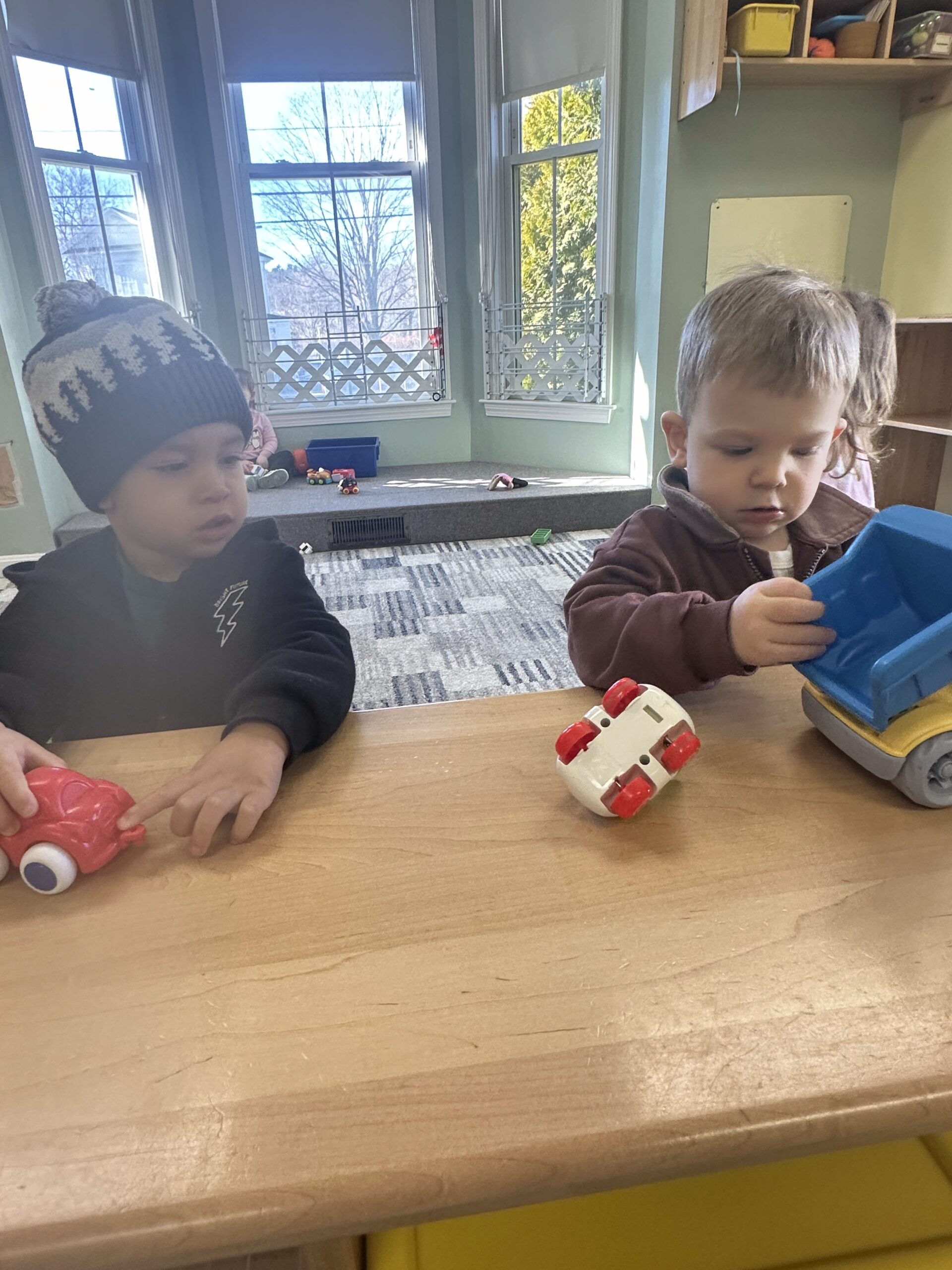
From the fine motor skills of gripping a paintbrush to the gross motor skills of climbing and running in our outdoor play space, play keeps children moving. A physically active child is a child whose brain is primed for focus and discovery.

A Partnership Between Home and School
The best part of play-based learning is that it doesn’t stop when you pick your child up at the end of the day. You can foster this at home by leaning into open-ended toys (like boxes, silks, or blocks) and following your child’s lead during playtime.
At the Early Childhood School of Georgetown, we are proud to provide a safe, nurturing space where your child can explore, discover, and—most importantly—play. Because when a child is playing, they are doing the most important work of their young lives.