Fun Summer Activities That Keep Kids Learning
When the warm June sun arrives, children are naturally eager to spend their days playing, exploring, and soaking up the outdoors. As parents, we want to make the most of this magical season while still nurturing our little ones’ growing minds.
The good news? You don’t need flashcards or structured indoor lessons to support your child’s growth. In early childhood, the best kind of learning happens through active, play-based exploration. By tapping into your child’s natural curiosity and the beauty of the summer season, you can easily turn ordinary sunny days into extraordinary learning opportunities.
Here are four simple, fun, and highly engaging summer activities that seamlessly blend playtime with early childhood development.
1. Backyard Sensory Splashing
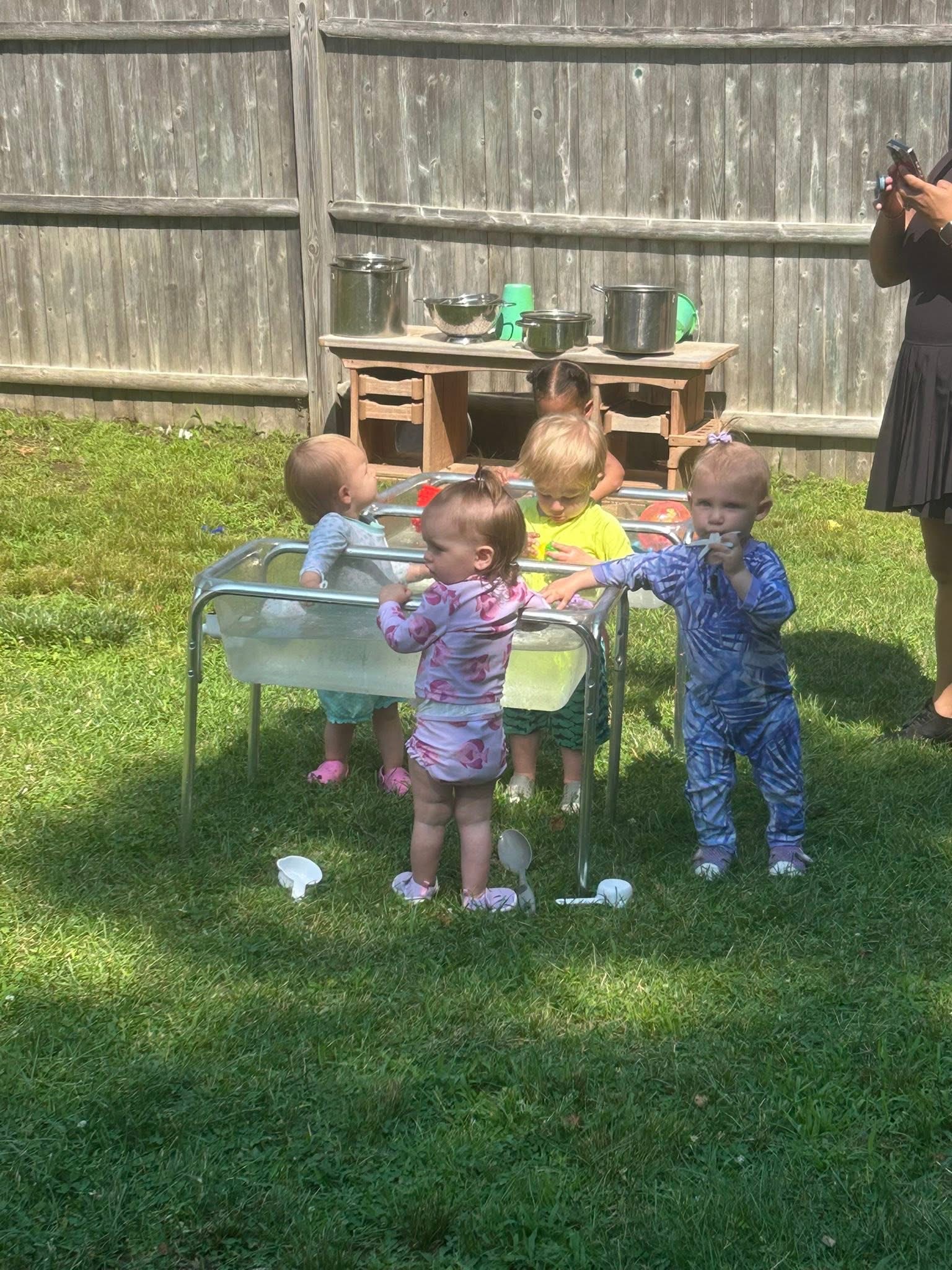
Water play is a summer staple, but it is also a secret powerhouse for early math and science concepts. Fill a large plastic storage bin or a water table with water, and supply your child with a variety of tools: measuring cups, plastic bowls, funnels, spoons, and various household objects (like sponges, plastic toys, or corks).
As your child scoops, pours, and spills, they are experimenting with the physical concepts of volume, weight, and capacity. Encourage scientific thinking by playing a quick game of “Sink or Float?” Ask them to predict what will happen to an object before dropping it in the water. This simple exercise builds foundational critical thinking and the basics of the scientific method.
2. A Nature Scavenger Hunt
Take advantage of the beautiful summer weather by heading to a local park, a backyard trail, or even just taking a walk around your neighborhood. Before you head out, create a visual scavenger hunt checklist. For younger children, use colors or shapes (e.g., “find something red” or “find something round”). For older toddlers and preschoolers, you can list specific textures or objects (e.g., “find a smooth stone,” “find a rough piece of bark,” or “find a yellow leaf”).
This activity dramatically boosts descriptive vocabulary. As you walk, talk about what you see, hear, and feel. Descriptive words like brittle, damp, coarse, and vibrant enrich a child’s language bank, setting a strong foundation for future reading comprehension.
3. Sidewalk Chalk Games

Sidewalk chalk is an inexpensive summer must-have that can keep little hands busy for hours. Beyond standard drawing, you can use chalk to build a giant, interactive game board. Draw a winding path of colorful circles on your driveway and write a letter of the alphabet or a number inside each one.
Have your child hop from circle to circle, shouting out the letter sound or counting out loud as they land. This brilliantly pairs physical activity (gross motor skill development) with academic recognition. Moving their whole bodies while learning actually helps children retain information better!
4. Kitchen Science: Making Popsicles
On a hot afternoon, making homemade fruit popsicles is both a delicious treat and a wonderful lesson in sequencing and cause-and-effect. Invite your child into the kitchen to help chop soft fruits (using a child-safe nylon knife), measure out yogurt or juice, and pour the mixture into molds.
Following a recipe step-by-step teaches the concept of sequencing—understanding that things happen in a specific order (first, next, last). Plus, checking the freezer every hour introduces the concept of structural changes caused by temperature.
The Key to Summer Learning
Supporting your child’s growth this season isn’t about replicating a classroom routine at the kitchen table. It’s about leaning into the joy of the season. When children are playing, creating, and exploring the world around them, their brains are naturally firing on all cylinders. Keep it light, keep it fun, and enjoy a wonderful summer of learning together!